
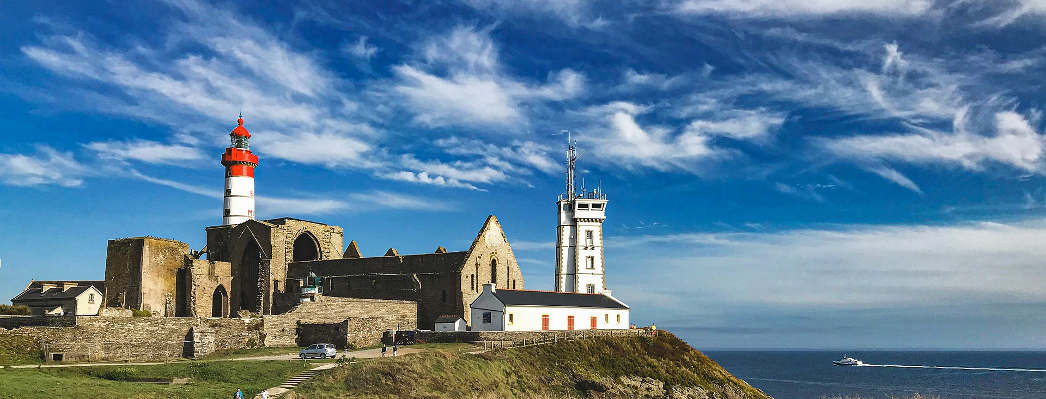
The weather in Brittany
Brittany's climate through the seasons

Brittany's climate and weather
In terms of climate, Brittany is warmer and drier than the south of England, particularly in summer. The south coast of Brittany can be scorching in July and August, if the weather conditions are right. However, being in the north western part of France, the weather can also set in cloudy and wet at any thime of the year, just as it can in Devon or Cornwall. The Finistère area of western Brittany tends to have the coolest weather in summer, while the south coast of Morbihan, benefiting from a sunny microclimate, is the warmest. In winter time, Brittany benefits from a remarkably mild climate, particularly in the extreme west where frost and snow are relatively rare. Nonetheless, if a cold winter wind is blowing from the east, temperatures can fall to -5° or below even in Brest.
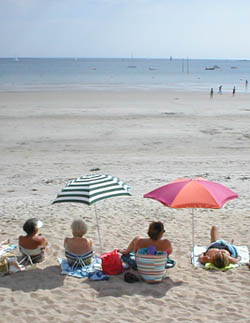
A beach in the Morbihan
Exposed to the Atlantic airstream, Brittany gets quite a lot of windy weather, making it particularly popular with sailing enthusiasts. Many of France's most famous yachtsmen, such as Eric Tabarly, have hailed from Brittany, and yachting is a major tourist activity around all round the coast. On occasions however, yachtsmen are advised to moor their craft in the region's many sheltered anchorages or harbours; when the Breton coastline is in the throes of a major Atlantic storm, with waves of up to 30 feet crashing on the rocks and the sea defences, thoughts go out for those in peril on the sea. Almost every year, the media report the loss at sea of Breton fishermen .
Brittany average temperatures:
|
© Gitelink.com
A Gitelink
guide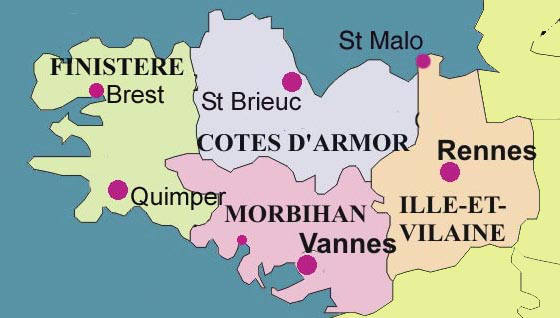
Selected places to stay
What better way to soak in the true flavour of Brittany, than by staying in one of the region's many gites villas or country cottages - many with English speaking owners► Cotes d'Armor and Finistère areas
► Morbihan and Ille et Vilaine areas
or check out Brittany gites on the Brittany gites map
Book directly with owners for best rates, peace of mind, and no extra fees
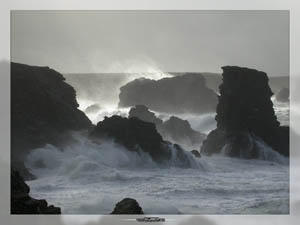
Atlantic storm
| Area guides and useful information |
| Brittany tourist attractions |
| Independent hotels in Brittany |
| Ferries to France |
All texts
©
Gitelink.com.
Photos on this page:
Photo top of page by Sofie Layla Thal
Photos on this page:
Photo top of page by Sofie Layla Thal
| More regional guides |
| Guide to Provence |
| Guide to the Auvergne |
| Guide to Languedoc-Roussillon |
| Other regions of France |